
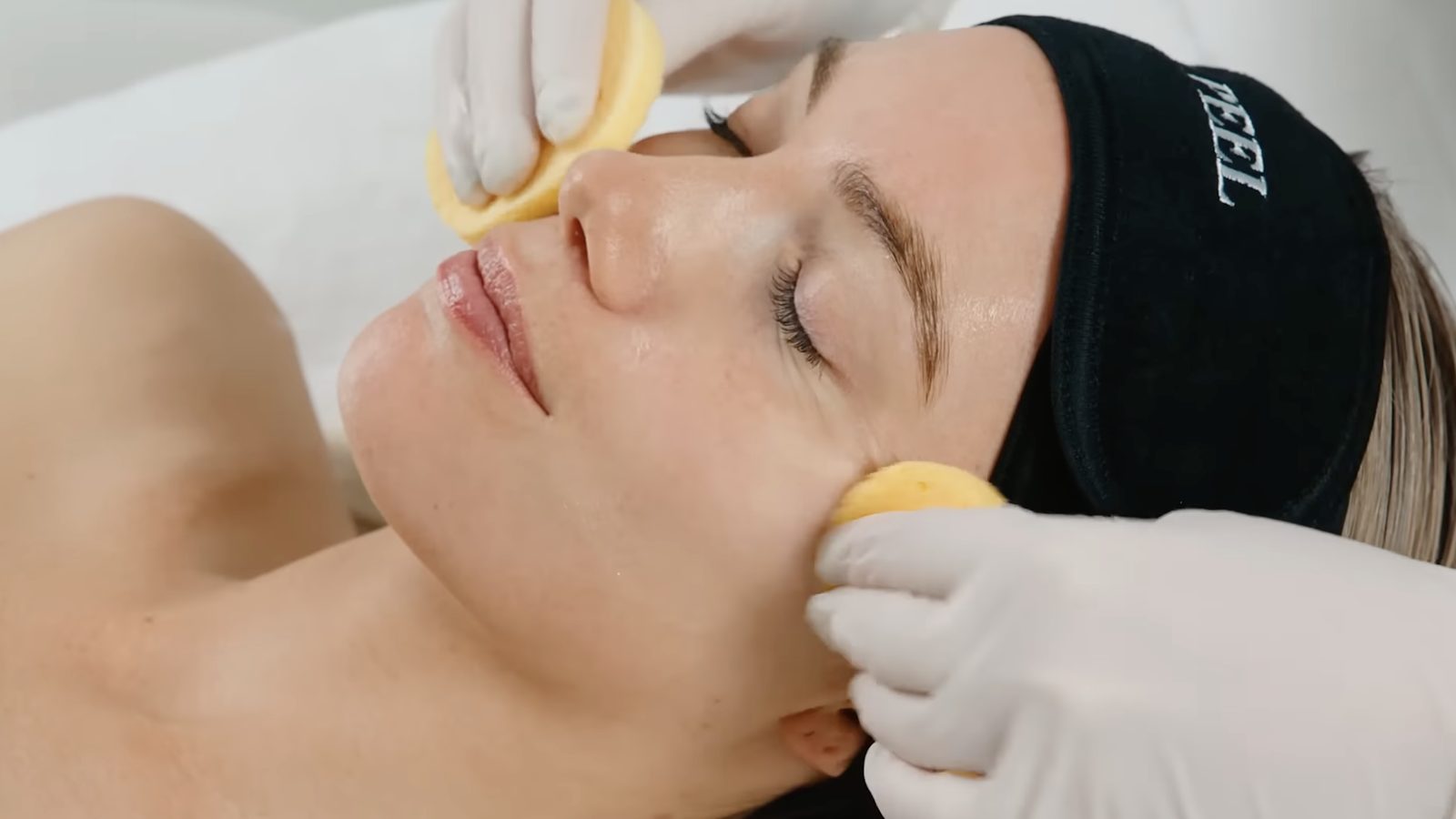
September is when my VI Peel calendar starts filling up. Summer is over, the sun damage is showing, and people finally have a few weeks where they can peel without a beach trip or a wedding in the way. And almost everyone asks me the same first question: what am I going to look like, and when?
I'm Kimberly, and I do VI Peels at my med spa in Streeterville. This is the timeline I walk every client through before they book, day by day, with real before and after photos at the end.
What a VI Peel Is (and Why People Like It)
The VI Peel is a medium-depth, medical-grade chemical peel. It blends several ingredients, including TCA, salicylic acid, retinoic acid and vitamin C, so one application works on pigment, acne, texture and fine lines at the same time. There are different formulas for different skin, and I choose yours at your consultation based on what you want to fix: acne, melasma and dark spots, or overall aging and texture.
Two things make it popular. It is safe for every Fitzpatrick skin type, including deeper skin tones that can't tolerate some lasers. And the downtime is predictable: a few days of flaking, not weeks of redness. You can compare it with our other options on the chemical peels page.
The Week Before Your Peel
A little prep makes the peel more even and more comfortable:
- Stop retinol, retinoids and exfoliating acids a few days ahead. I'll tell you exactly when at your consultation.
- Skip waxing, threading and hair removal creams on your face that week.
- Stay out of the sun and tanning beds. Don't come in with a sunburn or a fresh tan.
- If you get cold sores, tell me. A flare during a peel is avoidable with an antiviral from your doctor.
- Let me know if you are pregnant or breastfeeding, or if you have taken isotretinoin (Accutane) recently. In those cases we wait.
VI Peel Day by Day
-
Day 0
The appointment: about 30 minutes
I cleanse your skin and apply the peel in layers. It tingles or stings for a minute or two, then fades. Most people are surprised by how easy it is. You leave with the peel still on your skin, looking close to normal, and you go home with a take-home kit and written instructions, including when to wash the peel off (usually that evening). Don't plan anything important for the next week.
-
Days 1 to 2
Tight, a little tan, nobody notices
Your skin feels tight and dry, and it may look slightly darker or shinier, like a mild tan. That's the old layer getting ready to come off. Follow your kit steps, use a gentle cleanser, moisturize, and wear sunscreen even if you're only walking to the car. Most people go to work on these days without anyone noticing.
-
Days 3 to 4
Peeling starts
This is the stretch people plan around. Peeling usually starts around the mouth and nose, then spreads toward the cheeks, jaw and forehead. It looks like fine flaking after a sunburn, not sheets of skin coming off. If you have a big meeting or a date, this is the window to avoid. Keep moisturizing; it helps the flakes lie flat.
-
Days 5 to 6
Hands off
The peeling moves outward and starts to taper. This is where people get into trouble: do not pick, pull or scrub off the loose skin. Pulling it early can leave pink patches or dark marks, especially on deeper skin tones. Let it come off on its own schedule.
-
Day 7
The reveal
For most people the peeling is done by about day seven. Your skin looks brighter, smoother and more even, and makeup goes on better than it has in months. Some skin takes a few more days to finish, especially on a first peel.
-
Weeks 2 to 4
It keeps getting better
Dark spots and melasma keep fading for a couple of weeks after the peeling stops, and breakouts tend to calm down. This is also when we decide together whether a second peel makes sense.
Real VI Peel Results
Photos help more than any description. Here are two VI Peel before and afters, including one taken in the middle of the peel so you can see what the peeling days actually look like.


Results depend on your skin and what you're treating. One peel is enough for a refresh; deeper pigment and melasma usually need a series.
How Many VI Peels Do You Need?
One peel gives you a visible refresh: brighter tone, smoother texture, fewer clogged pores. For stubborn concerns, a series works better. Most clients with acne, melasma or deeper sun damage do a series of peels spaced a few weeks apart, then a maintenance peel every few months. I'll give you an honest number at your consultation, not a package you don't need.
Why Fall Is the Best Time for a VI Peel in Chicago
Sun is the enemy of a fresh peel. New skin burns and pigments easily, so the months with less sun are the easiest months to peel. A Chicago fall and winter are ideal: the summer damage is recent enough to target, and you spend more time indoors while your skin heals.
It's also good timing for the holidays. If you want to glow at a party or in family photos, book your peel at least two weeks before the event, so the peeling is over and your skin has had a few days to settle.
VI Peel Aftercare: Do's and Don'ts
Don't: pick or pull peeling skin, use retinoids, scrubs or acids until the peeling is done, sit in the sun, or do hot yoga, saunas, steam rooms or heavy workouts for the first few days.
Frequently Asked Questions
Book Your VI Peel Consultation in Streeterville
If you've been thinking about a peel, fall is the time. Come in for a consultation and I'll look at your skin, pick the right formula, and map out your peel on a calendar, so you know exactly which days you'll be flaking before you commit.
Book online or call (312) 539-5818. We're at 220 E Illinois St, Suite 703, in Streeterville.